
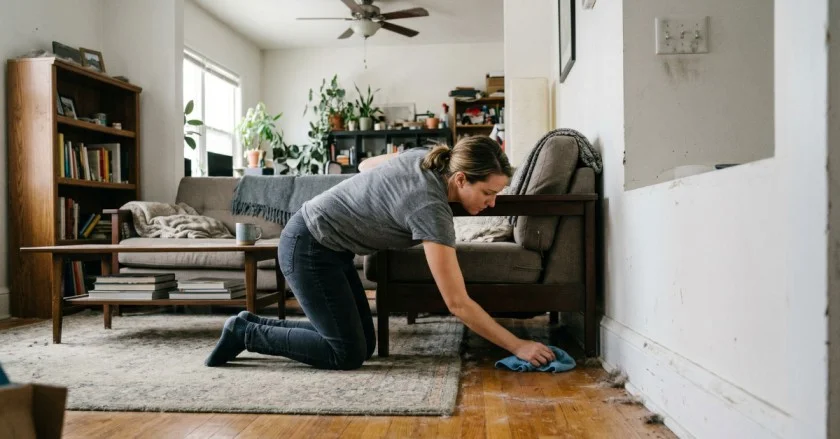
A lot of homes look clean at first glance, but a true deep cleaning goes beyond what is immediately visible. Dust, grease, hair, grime, and bacteria tend to collect in places people rarely notice until the buildup becomes obvious. Across the competitor articles, the most commonly missed cleaning areas include ceiling fans, baseboards, vents, blinds, light switches, door frames, behind appliances, under furniture, and overlooked bathroom fixtures.
If you have ever finished cleaning and still felt like your home did not feel completely fresh, hidden dirt spots are usually the reason. We break down the areas often missed during deep cleaning, why they matter, and how to add them to a better deep cleaning checklist.
Why does missed cleaning matter
The biggest problem with overlooked spots is not just appearance. Many of these areas collect dust, grease, crumbs, moisture, or germs over time. High surfaces can spread dust back into the air, high-touch surfaces can collect grime and germs, and damp bathroom or kitchen zones can develop odor and residue if ignored.
That is why a proper deep cleaning checklist should include more than floors, counters, and bathrooms. It should also cover the small, hidden, and hard-to-reach places that affect how clean your home actually looks and feels.
The most commonly missed areas during deep cleaning
1. High dust zones
Some of the most missed cleaning areas are simply above eye level. These include:
- Ceiling fans
- Light fixtures
- Lampshades
- Air vents
- Tops of cabinets
- Tops of door frames
- Picture frame edges
These surfaces are easy to ignore because they are out of direct sight, but they collect heavy dust over time. Ceiling fan blades are especially important because turning the fan on can push loose dust back into the room. Vents, lampshades, and cabinet tops also trap dirt that makes a room feel dusty even after the rest of the space has been cleaned.
2. High-touch surfaces people forget to disinfect
Many homeowners wipe counters but forget the surfaces they touch all day. These hidden dirt spots often include:
- Doorknobs
- Handles
- Light switches
- Remote controls
- Stair banisters
- Interior door panels
These are easy to miss because they blend into the room, yet they collect fingerprints, oils, dust, and germs quickly. If you are deep cleaning for health as well as appearance, these areas deserve special attention.
3. Baseboards, trim, and edges
Baseboards are one of the biggest problem areas on almost every deep cleaning checklist. They sit low to the floor, so they collect dust, hair, splash marks, and grime from daily traffic. Door frames, trim edges, and molding tend to have the same issue.
Because these surfaces run through nearly every room, dirty trim can make an entire home feel less clean. Wiping them down during deep cleaning instantly improves the appearance of the space.
4. Behind and under furniture and appliances
A room may look spotless until you move something. Some of the most overlooked deep cleaning areas are:
- Behind the stove
- Behind the refrigerator
- Under the washing machine and dryer
- Behind TV stands
- Behind armoires or bookcases
- Under couches, beds, and other furniture
These zones collect crumbs, grease, dust bunnies, hair, and debris that normal vacuuming misses. Kitchens are especially prone to buildup behind appliances, while living rooms and bedrooms often hide dust under furniture and electronics.
5. Window coverings and tracks
Blinds and curtains are classic missed cleaning areas because they take longer to clean than flat surfaces. Yet they gather dust quickly and can affect both the look and the freshness of a room. Pocket door crevices and similar narrow tracks are often ignored, too, simply because they are awkward to reach.
For a more complete deep cleaning process, include:
- Blind slats
- Curtain panels
- Window tracks
- Pocket door tracks
6. Kitchen spots that stay dirty even in clean homes
The kitchen has some of the worst hidden dirt spots because grease and food residue travel farther than most people think. Areas commonly missed include:
- Top of the refrigerator
- Inside the dishwasher
- Dishwasher filter
- Garbage disposal
- Toaster tray
- Top and underside of cabinets
- Behind the stove
Even when counters and floors are clean, these overlooked kitchen areas can still hold crumbs, food splashes, odor-causing debris, and greasy dust.
7. Bathroom areas people skip
Bathrooms get frequent quick cleans, but not always thorough deep cleans. The most missed bathroom spots often include:
- Behind the toilet
- Toothbrush holder
- Faucet aerators
- Bathroom exhaust fan
- Shower curtain
- Under the bathroom sink
- Behind the bathroom door
These areas are easy to skip because they are awkward, hidden, or seem minor. In reality, they can collect dust, residue, moisture, and odor surprisingly fast.
8. Small household items that quietly collect grime
A few items are not large enough to make most cleaning lists, but they still need regular attention. Examples include:
- Houseplants and dusty leaves
- Air purifiers
- Tech consoles and routers
- Dish racks
These are not always the first things people think of when deep cleaning, but they can hold dust and buildup that affects the overall cleanliness of a room.
You also can read: What Is the 80/20 Rule in House Cleaning?
A beginner-friendly deep cleaning checklist
If you want a simpler way to avoid missed cleaning areas, follow this order:
Start high
Clean anything above eye level first so dust falls downward.
- Ceiling fans
- Vents
- light fixtures
- cabinet tops
- door frames
Move to touch points
Disinfect the surfaces everyone handles.
- Doorknobs
- switches
- remotes
- handles
- banisters
Tackle hidden zones
Pull out or reach under what you can.
- Behind appliances
- under furniture
- behind toilets
- behind doors
- behind electronics
Finish with detailed work
Handle the smaller deep cleaning tasks that make the biggest difference.
- Baseboards
- blinds
- curtains
- dishwasher filter
- toothbrush holder
- faucet aerators
This kind of deep cleaning checklist helps you cover both visible mess and hidden dirt spots instead of stopping at surface-level cleaning.
Professional cleaning tips to avoid missing spots
Use a room-by-room system
Do not clean randomly. Work one room at a time and follow the same order each time.
Look at the room from a new angle.s
Check above, below, behind, and underneath. Most missed cleaning areas are overlooked because they are outside your normal line of sight.
Use the right tools
Microfiber cloths, extension dusters, crevice tools, and brush attachments make deep cleaning easier and more complete. Several competitor articles also emphasize tool choice and checklist use as a way to avoid forgotten spots.
Create a repeatable schedule.le
Not every hidden area needs weekly attention, but many should be cleaned monthly or seasonally. Baseboards, vents, blinds, appliance gaps, and bathroom detail areas should all be part of a recurring deep cleaning plan.
Final thoughts
So, what areas are often missed during deep cleaning? The biggest ones are usually the places that are hard to see, hard to reach, or easy to forget: baseboards, vents, fans, blinds, switches, behind appliances, behind toilets, under furniture, and other detail-heavy surfaces. When these areas are included in your deep cleaning checklist, your home does not just look cleaner, it feels cleaner too.
If you want a truly thorough result without worrying about missed cleaning areas, Grand Slam Janitorial can help with professional deep cleaning services that cover the hidden dirt spots most people overlook.
